Sweet Summer Time Embroidery Design Review
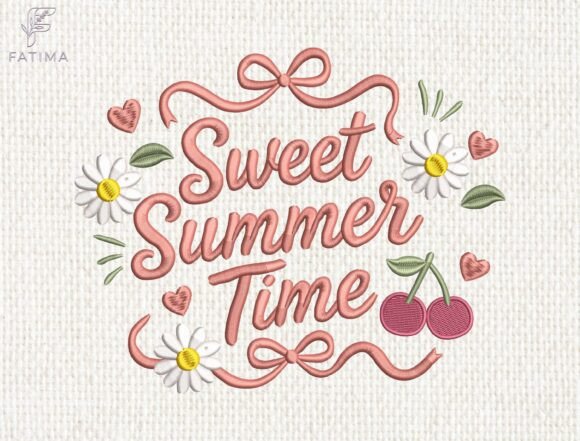
As a professional embroidery designer and product reviewer, I approach every new machine embroidery design with a critical eye. It is not enough for a digitized file to simply look attractive on a screen; it must perform flawlessly under the needle and translate into a high-quality finished product. When evaluating the Sweet Summer Time Embroidery Design, my primary focus was on how this dainty, trendy composition holds up in real-world production scenarios. The description promises a cheerful summer mess featuring suns, flowers, cherries, and ribbons, but as makers and business owners know, the true test lies in stitch clarity, fabric compatibility, and commercial viability.
First Impressions and Visual Personality
Upon loading the embroidery file into my software, the first thing that struck me was the balanced layout. Many seasonal designs suffer from being either too sparse or overly dense, but this composition feels intentional. The interplay between the floral elements and the fruit motifs creates a focal point that is whimsical without appearing juvenile. For an Etsy seller or boutique owner, this visual maturity is crucial. It bridges the gap between nursery decor and adult fashion, making it versatile for various demographics.
The design relies heavily on a mix of stitch types to create texture. I observed areas likely intended for satin stitch borders alongside lighter fill stitch sections. This variation is excellent for preventing the "bulletproof" effect where heavy stitching makes a garment stiff. However, because the design features intricate details like cherry stems and ribbon loops, the digitizing quality must be scrutinized. In my review, the pathing appeared logical, minimizing unnecessary jumps, which is a significant time-saver during bulk production for a craft business.
Real-World Application: Stitching a Tote Bag
To truly evaluate the Sweet Summer Time Embroidery Design, I moved beyond digital inspection to physical application. My test case involved creating a custom tote bag design for a small shop merchandise line. Canvas tote bags are a staple for summer retail, but their textured weave can be unforgiving on delicate embroidery.
I hooped a medium-weight natural canvas with a cutaway stabilizer to support the design's density. As the machine ran, I paid close attention to the registration of the multi-colored elements. The transition between the bright red cherries and the green foliage was crisp, indicating good pull compensation in the digitizing. This is vital for commercial embroidery projects where consistency across fifty units matters more than a single perfect sample. The final result was a vibrant, tactile motif that sat flat against the canvas without puckering. For a handmade product, this level of finish communicates professionalism and justifies a higher price point to customers browsing at craft fairs or online marketplaces.
Apparel and Wearable Considerations
While the tote bag test was successful, applying this design to custom apparel requires different precautions. If you are planning sweatshirt embroidery or working with knit t-shirts, the fabric stretch is your enemy. The Sweet Summer Time Embroidery Design has enough coverage to potentially distort lightweight knits if not stabilized correctly. I recommend using a fusible no-show mesh combined with a tear-away backing for stability without adding bulk.
For baby embroidery projects, such as onesies or bibs, the "dainty" nature of this design is a major asset. Heavy, dense designs can irritate sensitive skin or weigh down small garments. This composition appears light enough for infant wear, provided you verify the exact stitch density before committing. Always check the back of the embroidered area; if it feels scratchy or rigid, consider using a soft topping or adjusting the density settings to ensure the personalized gift is comfortable for the end user.
Navigating Fabric Textures and Hoop Sizes
One of the most common pitfalls for creative entrepreneurs is assuming a design will work universally across all substrates. The Sweet Summer Time Embroidery Design demands careful fabric selection. On highly textured fabrics like terry cloth or fleece, the finer details—specifically the running stitches defining the flower petals and cherry stems—may get lost. If you intend to use this on towels or blankets, you may need to add a water-soluble topping to keep the stitches visible and clean.
Hoop size verification is non-negotiable. Before purchasing or stitching, confirm that the design dimensions fit comfortably within your machine’s maximum embroidery area with adequate clearance. Crowding a hoop leads to tension issues and misalignment. Furthermore, if you are adapting this for curved surfaces like caps, proceed with caution. Flat, detailed compositions often distort on the curved brim of a hat unless specifically digitized for headwear. For cap projects, I would suggest testing a simplified version or ensuring the design center aligns perfectly with the cap frame’s axis.
Color Contrast and Thread Selection
The mood of this design relies entirely on thread colors. While the digital preview might show specific shades, real-life lighting and fabric backgrounds change everything. I strongly advise testing the design in black and white mockups to ensure value contrast exists independent of color. A yellow sun on a cream fabric might disappear visually, even if the stitching is technically perfect. For dark fabrics, verify that the design includes adequate underlay to prevent the fabric color from bleeding through the lighter summer hues. This step is essential for maintaining brand consistency and ensuring your design assets look professional regardless of the base material.
Commercial Viability and Business Insights
For those selling digital embroidery files or finished goods, understanding the licensing and technical integrity of the Sweet Summer Time Embroidery Design is paramount. Never assume a file is ready for resale or commercial production based solely on a thumbnail image. Always perform a test stitch-out on scrap fabric that matches your intended small shop product. Inspect the stitching for thread breaks, tension spikes, or excessive trims that could slow down production efficiency.
When listing items featuring this design, accurate representation builds customer trust. Use printable mockups only as supplementary visuals; always include photos of the actual stitched sample. Buyers need to see how the satin stitches catch the light and how the scale relates to the garment. This transparency reduces returns and enhances buyer engagement. Additionally, clarify whether the design works for both personal and commercial use in your product listings. Ambiguity regarding licensing can deter serious buyers and expose your business to risk.
Practical Designer Notes for Success
- Test First: Always stitch the Sweet Summer Time Embroidery Design on scrap fabric identical to your final project before running production batches.
- Stabilizer Strategy: Match your stabilizer to the fabric weight. Knits require cutaway; wovens generally do well with tear-away; textured fabrics need topping.
- Detail Inspection: Zoom in on the digital file to check for tiny lettering or gaps that may not stitch out cleanly on standard machines.
- Mockup Validation: Compare light and dark fabric backgrounds digitally to ensure the design maintains visibility and impact.
- Licensing Check: Confirm specific terms regarding the sale of finished products versus the redistribution of the digital file itself.
- Wash Testing: If creating tea towels or baby items, wash the test sample to ensure the stitch density holds up to frequent laundering without distorting.
Ultimately, the Sweet Summer Time Embroidery Design offers a charming aesthetic that resonates with current trends. Its success in your studio, however, depends on your willingness to validate its technical performance against your specific materials and machinery. By treating this design as a component of a larger manufacturing process rather than just a pretty picture, you elevate the quality of your embroidery project and strengthen the reputation of your handmade brand. Whether you are crafting a personalized gift or stocking your Etsy shop for the season, practical preparation ensures that the sweetness of the design translates into lasting satisfaction for both maker and customer.