Irish Uncial Font: A Craft Fair Review
As an embroidery designer preparing for the upcoming weekend craft fair, my selection of typefaces can make or break a booth display. Customers at handmade markets are drawn to items that tell a story, and few styles communicate heritage and quality quite like traditional lettering. After testing the Irish Uncial Embroidery Font - Large, I have evaluated its potential specifically for small business owners, Etsy sellers, and boutique makers who need reliable, high-impact designs for commercial production. This review focuses on real-world application, moving beyond digital previews to assess how this font performs on actual fabric when time is short and sales matter.
First Impressions: Bold Heritage and Timeless Appeal
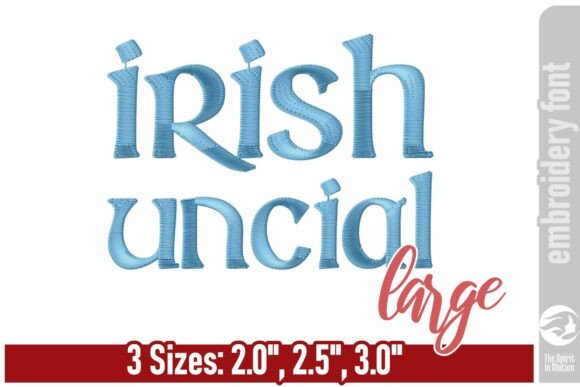
The immediate impression of the Irish Uncial Embroidery Font - Large is one of distinguished weight. Unlike delicate script fonts that can get lost on textured fabrics, this design commands attention. Inspired by medieval manuscripts and Celtic traditions, the bold, rounded strokes offer a premium aesthetic that feels both historic and accessible. For a craft fair vendor, this is crucial. Shoppers walking past a table need to recognize the theme instantly. This font does not whisper; it announces itself with a confident, rustic elegance that bridges the gap between festive St. Patrick’s Day merchandise and year-round heritage goods.
From a design perspective, the "Large" designation is a significant advantage for market products. Small text often requires customers to lean in to read, whereas this large format creates a focal point from several feet away. The visual appeal suggests high value, making it easier to justify higher price points for finished goods. It avoids looking cheap or overly cartoonish, maintaining a level of sophistication that appeals to buyers looking for quality handmade products rather than novelty trinkets.
Best Performing Products for Market Sales
When stocking a booth or updating an online shop, versatility is key. Based on my testing, the Irish Uncial Embroidery Font - Large excels on specific substrates where legibility and texture interact positively.
- Tote Bags and Market Shoppers: This is arguably the strongest application. The large scale of the lettering fills the center panel of a canvas tote beautifully. Whether spelling out a family name, a Gaelic phrase, or a simple monogram, the bold strokes contrast perfectly against natural cotton or linen. Tote bags are high-volume sellers at fairs, and this font turns a utility item into a statement piece.
- Kitchen Tea Towels: Flour sack towels and waffle-weave linens are staple items for handmade vendors. The rounded nature of the Uncial style complements the soft drape of towel fabrics without appearing too rigid. It works exceptionally well for baking-themed gifts or heritage kitchen decor.
- Aprons and Chef Gear: For culinary professionals or home cooks, apron embroidery needs to be durable and readable. The density of this font ensures it stands up to washing and wear while maintaining a professional, artisanal look.
- Pillow Covers and Home Decor: Because the font carries a sense of history, it elevates throw pillows from simple accessories to heirloom-quality decor. It pairs well with velvet, wool, and heavy cottons, making it ideal for autumn and winter market seasons.
Production Practicality and Batch Efficiency
For the busy entrepreneur, a beautiful machine embroidery design must also be practical to produce. The Irish Uncial Embroidery Font - Large scores well in repeatability. The consistent stroke width allows for predictable hooping and stabilizer choices across different projects. When batching out a dozen tea towels or five tote bags, knowing exactly how the design will behave saves valuable setup time.
Photographing finished products for Etsy listings is also straightforward with this font. High-contrast, bold lettering photographs crisply even in natural light, reducing the need for extensive editing. Digital sellers offering printable mockups will find that the distinct shapes of these letters translate clearly to screen, helping customers visualize the final embroidered patch or garment before purchasing the digital embroidery file.
Critical Use Notes: Avoiding Production Pitfalls
While versatile, this font demands respect during the digitizing and stitching process. As with any specialized embroidery font, understanding its limitations prevents wasted materials and unhappy customers.
- Fabric Texture Matters: While excellent on canvas and linen, use caution on highly textured terry cloth or deep-pile fleece. The bold strokes are substantial, but intricate internal details within the letters could sink into the nap. Always use a water-soluble topping on plush fabrics to maintain definition.
- Stitch Density Awareness: The "Large" size implies a higher stitch count. On lightweight fabrics like quilting cotton or thin linen, this density can cause puckering or distortion. You must pair this design with appropriate cut-away stabilizer and potentially a layer of fusible mesh to support the weight of the thread.
- Curved Surfaces: If applying this to caps or curved pouches, verify your hoop size and design dimensions. Large, flat lettering does not always wrap gracefully around a structured cap front. Test on a scrap cap first to ensure the top and bottom of the letters do not distort.
- Minimum Size Limits: Do not attempt to shrink this "Large" font down to tiny accent sizes. The complex curves and serif-like terminals will merge and become muddy if reduced below the designer's recommended minimum. If you need small text for a tag or label, select a simpler sans-serif font instead.
Designer’s Checklist Before Selling
To ensure your commercial embroidery products meet professional standards, follow this pre-production protocol. Never assume a digital file is ready-to-stitch without verification.
- Verify Licensing: Before listing any finished product or digital asset, confirm the specific license terms included with your purchase. Ensure you have the rights for commercial sale of physical goods or digital redistribution if applicable.
- Run a Physical Test: Stitch the design on the exact fabric and stabilizer combination you intend to sell. Check for registration issues, thread breaks, or excessive stiffness.
- Check Thread Contrast: Irish Uncial relies on shape. Low-contrast thread (e.g., navy on black) kills the visual impact. Choose thread colors that pop against the base fabric to maximize booth visibility.
- Confirm Hoop Compatibility: Measure the actual stitch area against your machine’s maximum embroidery field. Ensure there is adequate margin for hooping without hitting clamps.
- Create Real Mockups: Photograph your test stitch. Use this image for your Etsy listing or social media. Authentic photos of real embroidery outsell generic digital renders because they prove the design stitches out cleanly.
Elevating Brand Value Through Typography
In the crowded marketplace of handmade goods, typography signals brand identity. Using the Irish Uncial Embroidery Font - Large consistently across your product line creates a cohesive collection that looks intentional and curated. Whether you are selling at a local farmers' market or running a global Etsy shop, this font communicates a dedication to craftsmanship.
Customers associate the intricate, historical feel of Uncial lettering with longevity and tradition. By integrating this style into your tote bag designs, apron embroidery, and giftable items, you align your brand with those values. It transforms a simple textile product into a cultural artifact, increasing perceived value and buyer engagement. For the creative entrepreneur, investing time in mastering this specific embroidery font yields dividends in both production efficiency and customer loyalty. It is a robust, reliable tool for anyone serious about selling heritage-inspired needlework.