Soft MOM Applique Embroidery: A Designer's Review
When evaluating a new machine embroidery design for my custom apparel line, I look beyond the digital preview. I need to know how the file behaves under the needle and whether it will hold up as a premium handmade product. The Soft MOM Applique Embroidery design immediately caught my attention as a potential staple for Mother’s Day collections and team spirit wear. As an experienced designer, I approached this applique design with a critical eye, specifically testing its viability for a high-volume sweatshirt embroidery project intended for local softball leagues.
The concept is straightforward but emotionally resonant. Featuring "MOM" in a bold, collegiate style, this design taps into a specific niche that values tradition and readability. However, translating a bold graphic into a functional embroidery file requires careful consideration of stitch density, fabric compatibility, and production efficiency. Here is my practical assessment of using this design in a real-world commercial and creative setting.
First Impressions and Visual Hierarchy
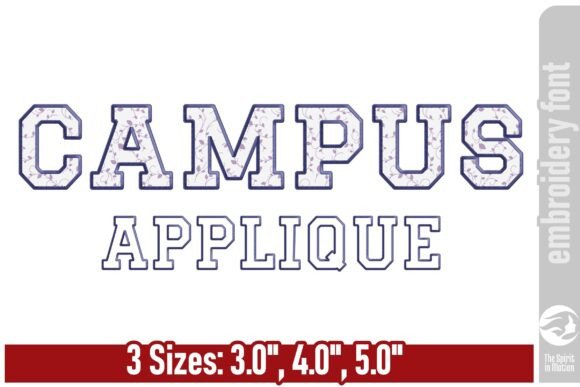
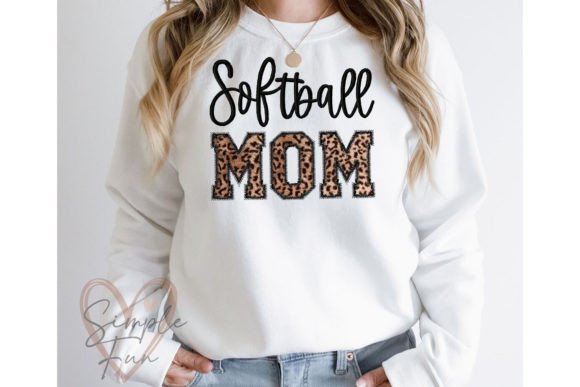
Upon loading the digital embroidery file into my software, the first thing I assessed was the visual weight. Collegiate lettering relies heavily on clean lines and consistent spacing. In the context of the Soft MOM Applique Embroidery design, the block letters provide an excellent canvas for fabric contrast. The mood is undeniably spirited yet nostalgic, striking a balance between athletic toughness and maternal warmth.
For an Etsy seller or small shop product creator, this aesthetic is gold. It reads clearly from a distance, which is crucial for sideline wear or tote bag design. Unlike intricate floral motifs that can get lost on textured fabrics, this bold typography demands attention. However, I noticed that the success of this design hinges entirely on the precision of the placement stitches. If the running stitch guide for the appliqué fabric is not perfectly aligned with the final satin stitch border, the professional finish evaporates instantly. This is a design that rewards patience and proper hooping technique over speed.
Real-World Application: The Custom Sweatshirt Test
To truly evaluate this embroidery project, I tested it on a mid-weight cotton blend sweatshirt, simulating a custom order for a team mom. My goal was to create a personalized gift that felt boutique-quality rather than mass-produced. The collegiate font naturally lends itself to layered fabrics; I chose a cream fleece appliqué over a navy garment to maximize contrast.
During the stitching process, the design performed reliably, but it required specific adjustments. The stitch density on the satin borders was substantial enough to cover the raw edge of the fleece without fraying, which is a common failure point in lesser-quality files. However, because the letters are wide, I had to ensure my hoop size accommodated the full span without requiring re-hooping, which introduces alignment risks. For fellow makers, I strongly recommend verifying your machine’s maximum stitch area before committing this to a finished garment. The result was a crisp, tactile emblem that elevated the perceived value of the sweatshirt significantly. It transformed a basic blank into a piece of identity-driven custom apparel.
Fabric Compatibility and Stabilizer Strategy
While the Soft MOM Applique Embroidery design shines on stable knits, it requires caution on other substrates. When considering this for a baby embroidery project or lightweight summer tee, you must adjust your approach. Bold appliqué carries significant thread weight. On thin jersey or stretchy performance fabric, this density can cause puckering or distortion if the stabilizer choice is inadequate.
I found that a medium-weight cutaway stabilizer was non-negotiable for knit fabrics to maintain registration between the tack-down and finish stitches. For woven items like aprons or holiday embroidery tea towels, a tear-away might suffice, but always test first. Conversely, avoid using this design on highly textured terry cloth or plush blankets unless you use a water-soluble topping; otherwise, the bold edges will sink into the pile, ruining the legibility. For commercial embroidery businesses fulfilling bulk orders, standardizing your stabilizer setup for this specific design will save hours of troubleshooting and reduce reject rates.
Production Considerations for Sellers and Makers
If you are integrating this design into your craft business inventory, consider the production workflow. Appliqué designs inherently take longer to stitch than standard fill designs due to the manual trimming step (unless you have a laser cutter). When pricing a finished product featuring the Soft MOM Applique Embroidery, factor in this labor time plus the cost of the appliqué material itself.
From a sales perspective, this design offers excellent versatility for printable mockup creation. Because the shapes are geometric and bold, they render beautifully in digital previews, helping customers visualize the final outcome before purchasing. This is particularly useful for digital product sellers offering the file itself or for apparel decorators taking pre-orders for team gear. Just ensure you verify the licensing terms of your specific embroidery file purchase; some licenses restrict the number of physical items you can sell or prohibit sharing the digital asset.
Critical Designer Notes for Success
Before you hoop your first production garment, run through this practical checklist to ensure your Soft MOM Applique Embroidery results meet professional standards:
- Test Stitch on Scrap: Never skip this step. Verify that the satin stitch fully encapsulates the appliqué fabric edge. If raw threads peek out, adjust your pull compensation or trim more precisely.
- Check Thread Contrast: This design relies on visibility. Test thread colors against both light and dark backgrounds. A tone-on-tone look can be elegant but risks losing the collegiate impact; high contrast usually sells better for sports-related Mother gifts.
- Verify Hoop Requirements: Confirm the exact dimensions of the design file against your available hoops. Attempting to shrink a bold appliqué too much can make the satin columns too narrow to stitch cleanly, while enlarging it may exceed your machine's field.
- Inspect Small Details: While "MOM" is bold, check any accompanying decorative elements or smaller text. Ensure these areas have adequate stitch density to remain legible after washing.
- Wash Testing: For items destined for frequent laundering like baby bibs or gym bags, wash your test swatch. Appliqué edges are stress points; confirm they don't lift or fray after a cycle.
- Licensing Compliance: Whether you are selling the embroidered patch, the finished garment, or the digital file, strictly adhere to the designer’s usage rights to protect your business integrity.
Elevating the Handmade Standard
The Soft MOM Applique Embroidery design represents more than just a seasonal trend; it is a functional asset for makers who understand their audience. Its strength lies in its clarity and emotional connection, but its success depends entirely on technical execution. By respecting the interplay between fabric texture, stabilizer choice, and stitch mechanics, you can transform this digital asset into a trusted, high-value product.
Whether you are creating a one-of-a-kind personalized gift for a client or building a cohesive collection for your online shop, treat this design with the same rigor as any complex digitizing project. The difference between a hobbyist result and a professional small shop product often comes down to these nuanced decisions. When executed well, this design doesn't just say "MOM"; it communicates quality, care, and craftsmanship that keeps customers returning season after season.