Sacramento Monoline Font for Holiday Embroidery
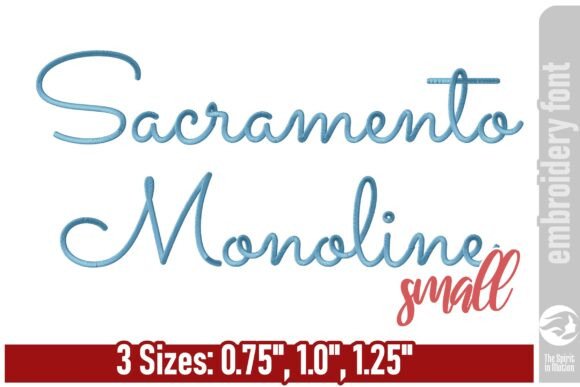
As I curate my upcoming seasonal collection, selecting the right typography is just as critical as choosing the perfect holiday graphics. When reviewing the Sacramento Monoline Embroidery Font for this year’s lineup, my immediate impression was one of retro elegance mixed with modern versatility. This machine embroidery design captures a nostalgic mood that resonates deeply during the holidays. Unlike heavy, dense script fonts that can feel stiff on lightweight fabrics, Sacramento offers a flowing, semi-connected cursive style that feels airy yet substantial. For an embroidery designer planning limited-time product drops, this font strikes a balance between festive warmth and sophisticated minimalism, making it an ideal candidate for everything from cozy sweatshirt embroidery to delicate ornament personalization.
Elevating Seasonal Products with Retro Elegance
The true test of any embroidery file is how it translates across different holiday staples. In my studio testing, Sacramento Monoline Embroidery Font proved exceptionally adaptable for seasonal embroidery projects. The monoline construction means the stitch width remains consistent, creating a clean, uniform appearance that mimics hand-stitched lettering. This characteristic is invaluable when creating personalized gift items where readability and charm are paramount.
For apparel decorators focusing on holiday loungewear, this font performs beautifully on fleece and French terry. Because it lacks complex satin column overlaps, it sits flat against the fabric texture, reducing bulk on sweatshirts and hoodies. I found it particularly effective for "Mama" or "Grandma" sweatshirt designs where a vintage aesthetic is desired without looking dated. Similarly, for tote bag design projects intended as gift bundles or market bags, the font maintains its integrity even when scaled up. The smooth curves prevent thread breaks at high speeds, which is essential when fulfilling large batches of commercial embroidery orders before the holiday rush.
In the realm of home decor, Sacramento shines on kitchen towel embroidery and pillow cover projects. The semi-connected nature of the script allows for slight adjustments in spacing, enabling designers to curve text around wreaths or frame names on linens without awkward gaps. For Etsy sellers, this flexibility means you can offer custom family name ornaments or table linens that look professionally typeset rather than digitally forced. The emotional tone of the font evokes memories of handwritten holiday cards, adding significant perceived value to handmade gift offerings.
Strategic Selling: Mockups, Listings, and Buyer Emotion
Beyond the hoop, Sacramento Monoline Embroidery Font influences how products sell online. During the holiday shopping period, visual recognition and brand consistency drive engagement. This font has a distinct personality that helps small shop products stand out in crowded digital marketplaces. When creating printable mockup graphics for social media previews, the clean lines of Sacramento photograph exceptionally well. It does not get lost in busy backgrounds, ensuring that your digital embroidery file listings clearly communicate the finished product's quality.
Customer trust often hinges on the legibility of personalized elements. Buyers need to know their custom text will be readable on the final item. Sacramento’s open loops and generous x-height ensure that names and dates remain distinct, even at smaller sizes suitable for tags or cuffs. This reliability reduces customer hesitation and returns. Furthermore, because the font carries a premium, retro vibe, it justifies higher price points for gift-ready products. Whether you are selling embroidered patches for DIY kits or finished apparel, the font contributes to a cohesive, high-end seasonal aesthetic that appeals to shoppers looking for meaningful, lasting gifts rather than disposable decor.
Technical Considerations for Holiday Fabrics
While Sacramento Monoline Embroidery Font is versatile, experienced designers know that every digitized font has limitations. When planning for holiday production, specific technical factors require attention to ensure professional results. First, consider the stabilizer and fabric texture pairing. On thick terry cloth towels or plush blankets, the monoline stitches can sink into the pile. I recommend using a water-soluble topping to keep the stitches visible and crisp. Conversely, on stretchy knits used for baby items or fitted apparel, a cut-away stabilizer is non-negotiable to prevent distortion of those smooth cursive connections.
Thread colors also play a pivotal role in how this font performs seasonally. While classic red and green are staples, Sacramento’s retro style pairs stunningly with metallic threads for a touch of holiday sparkle. However, metallic threads require slower machine speeds and larger needles to prevent shredding. Always test stitch density and tension on scrap fabric before running a full production batch. Dark fabrics present another challenge; monoline scripts can sometimes disappear on navy or black velvet. Using a lighter contrast thread or a slightly heavier weight thread can improve visibility without altering the digitized file itself.
Hoop size selection is equally important. Although this font scales well, extremely small lettering (under 0.4 inches) may lose the semi-connected flow due to needle penetration limits. For tiny tags or collar details, verify the minimum recommended size in the product specifications. Additionally, while the font is excellent for flat surfaces, curved caps require specialized hooping and potentially modified digitizing to maintain baseline alignment. Always confirm commercial licensing terms before selling finished seasonal products to ensure your business remains compliant while scaling up holiday inventory.
Designer Notes for Successful Seasonal Integration
To maximize the potential of Sacramento Monoline Embroidery Font in your holiday collection, adhere to these practical workflow steps:
- Test on Target Fabrics: Never assume a setting works universally. Stitch samples on the exact fleece, linen, or canvas you intend to use for your seasonal line to check for puckering or sinking.
- Verify Color Contrast: Photograph your test stitches in natural light and flash. Holiday buyers shop visually; ensure the thread colors pop against both light and dark backgrounds in photos.
- Check Spacing Manually: While the font is semi-connected, kerning may need manual adjustment for specific names. Review the spacing in your software before stitching to avoid overlapping letters or excessive gaps.
- Create Realistic Mockups: Use photos of actual stitched samples rather than generic digital overlays whenever possible. This builds trust with Etsy buyers who want to see true stitch definition.
- Plan Matching Palettes: Develop a signature color palette for your holiday collection using this font. Consistent thread choices across sweatshirts, towels, and ornaments create a recognizable brand identity.
- Confirm Licensing: Before listing any new product, double-check the license included with your digital embroidery file to ensure it covers your intended commercial use case.
- Review Small Details: After stitching, inspect the start and end points of words. Trim jump threads meticulously, as monoline fonts show trailing threads more obviously than filled satin fonts.
Integrating Sacramento Monoline Embroidery Font into your seasonal strategy offers a pathway to creating products that feel both timeless and timely. Its unique blend of retro charm and technical reliability makes it a powerhouse for holiday embroidery, capable of transforming simple blanks into cherished keepsakes. By respecting its technical requirements and leveraging its emotional appeal, you can elevate your seasonal offerings and connect meaningfully with holiday shoppers seeking authentic, handcrafted quality.