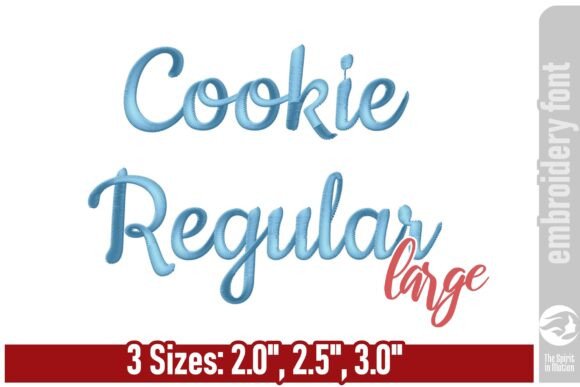
Lobster Regular Embroidery Font: Medium Review
As an embroidery designer running a personalized gift shop, I am constantly testing new typefaces to ensure they translate beautifully from screen to fabric. When preparing for the upcoming season of custom orders, I decided to put the Lobster Regular Embroidery Font - Medium through a rigorous test run. My goal was simple: determine if this retro-inspired script could handle the demands of real customer projects, from delicate baby embroidery to sturdy kitchen textiles. After stitching out several samples and reviewing the digitizing structure, here is my honest assessment for fellow makers, Etsy sellers, and small business owners considering this machine embroidery design for their product lineup.
First Impressions: Retro Charm Meets Modern Elegance
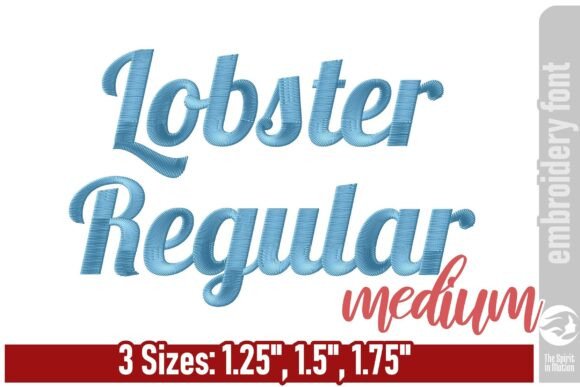
The moment you load this embroidery file into your software, the appeal is obvious. Lobster Regular Embroidery Font - Medium carries a distinct vintage vibe that feels both nostalgic and fresh. The smooth curves and connected letters create a continuous flow that mimics high-end hand lettering rather than standard digital text. For a personalized gift business, this emotional connection is vital. Customers are not just buying a name on a towel; they are buying a feeling of warmth and handmade quality.
In my testing, the medium weight proved to be the sweet spot. It possesses enough substance to stand out on textured fabrics without looking clunky or overwhelming on lighter materials. The stitch density appears well-balanced, providing coverage that feels luxurious without causing puckering on stable woven cottons. This balance is exactly what we look for in commercial embroidery fonts intended for retail products.
Real-World Application: From Nursery to Kitchen
To truly evaluate this font, I simulated three common custom embroidery scenarios that drive sales in our shop. Understanding where a font performs best helps prevent costly mistakes and returns.
Baby Blankets and Nursery Decor
For baby embroidery, softness and safety are paramount. I tested Lobster Regular Embroidery Font - Medium on minky fabric and cotton flannel. The connected script style creates a gentle, romantic aesthetic perfect for nursery items. However, because the letters are connected, the pull compensation must be respected. On plush fabrics like minky, using a heavy-duty stabilizer and a water-soluble topping is non-negotiable to prevent the stitches from sinking. The result was a stunning, heirloom-quality blanket embroidery sample that would photograph beautifully for an Etsy listing. Just remember to check the back of the stitch-out; the underside should be smooth against sensitive skin.
Kitchen Towels and Aprons
This is where the "Medium" weight truly shines. Terry cloth and linen tea towels have significant fabric texture that can swallow thin threads. Lobster’s bold elegance ensures legibility even on looped terry. I stitched a family surname onto a flour sack towel, and the retro charm elevated the item from a simple utility piece to a desirable handmade product. For apron personalization, the font’s height-to-width ratio allows for long names to fit comfortably across the chest area without requiring an excessively large hoop size.
Wedding Gifts and Keepsakes
When designing a wedding gift, perceived value is everything. This typeface bridges the gap between formal and approachable. I tested it on satin pillow covers and canvas tote bags. On the satin, the sheen of the rayon thread combined with the font’s curves created a sophisticated look suitable for bridal party gifts. On canvas totes, it felt sturdy and artisanal. If you are selling digital embroidery files or finished goods for weddings, this font offers the versatility needed to match various themes, from rustic barn weddings to modern minimalist celebrations.
Where to Exercise Caution
No embroidery font is perfect for every application. During my review, I identified specific limitations for Lobster Regular Embroidery Font - Medium that makers must respect to maintain professional standards.
- Small Lettering: Due to the connected nature of the script and its medium weight, scaling this font down below 1 inch in height is risky. The internal counters (the holes in letters like 'e' and 'a') may close up, and the connecting bridges may become too dense, leading to thread breaks or a stiff feel.
- Stretchy Knits: While beautiful on onesies, this font requires exceptional stabilization on stretchy baby clothes. The continuous connections create horizontal pull that can distort knit fabric. Always use cut-away stabilizer and consider a light fusible backing to support the garment during wear and washing.
- Curved Surfaces: Because the baseline is designed to be relatively straight for optimal connection, forcing this font into a tight arc can break the letter connections or cause awkward spacing. For curved designs, consider using individual placement tools or selecting a font specifically digitized for arcs.
- Frequent Washing: For items like embroidered towels that face hot water and agitation, ensure your top and bobbin tension are perfectly balanced. Any loose loops in a connected script will snag easily. Test wash your sample before selling to confirm durability.
Impact on Business and Customer Perception
Choosing the right typography directly influences buyer engagement. Lobster Regular Embroidery Font - Medium excels in product photography. Its bold lines read clearly in thumbnail images on mobile devices, which is crucial for Etsy sellers and social media marketing. The retro aesthetic currently trends well with millennials and Gen Z buyers seeking unique, non-corporate gifts.
Furthermore, using a cohesive, high-quality font builds customer trust. When a client sees that your custom embroidery looks intentional and polished rather than generic, they perceive higher value. This allows small shop owners to price their handmade products appropriately. Whether you are selling physical goods or a digital embroidery file collection, the professional finish of this typeface supports premium pricing strategies.
Practical Notes for Makers Before Stitching
Before adding this font to your production queue, please adhere to these professional best practices:
- Verify Licensing: Always confirm the commercial licensing terms included with your purchase. Ensure you are permitted to sell finished products or digitized variations if that is your business model.
- Test on Scrap Fabric: Never stitch directly on a customer’s item without a prior test. Fabric texture varies wildly between brands. What works on one brand of towel may fail on another.
- Check Thread Color Contrast: This font relies on clean edges. Low contrast (e.g., white thread on cream fabric) can make the intricate connections look messy. High contrast showcases the bold elegance best.
- Review Stabilizer Pairings: Match your stabilizer to the fabric weight. Use tear-away for stable wovens and cut-away for knits or stretchy materials. Do not skimp on stabilization for connected scripts.
- Create Printable Mockups: If selling custom previews, use this font to generate accurate digital mockups. Showing the client exactly how the connected letters will flow reduces revision requests and increases conversion rates.
- Confirm Hoop Size Requirements: Measure the maximum dimensions of the alphabet set. Ensure your machine’s hoop size accommodates the longest anticipated name plus adequate margin for hooping.
Lobster Regular Embroidery Font - Medium is a robust, charming addition to any embroidery library. By respecting its technical requirements and leveraging its retro aesthetic, you can create personalized gifts that delight customers and grow your handmade business. Happy stitching!