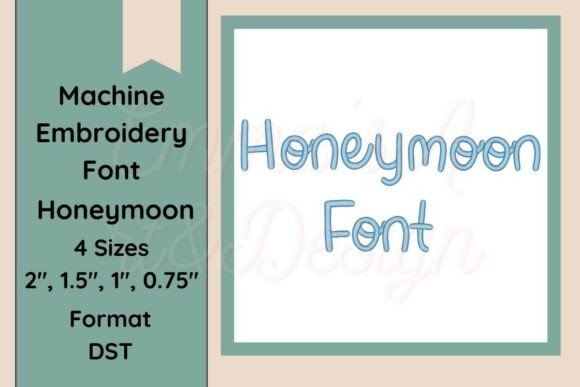
Honeymoon Machine Embroidery Font DST Review
As an embroidery designer running a personalized gift shop, I am constantly testing new typefaces to ensure they translate beautifully from screen to fabric. When preparing for the Valentine's Day rush and the upcoming spring wedding season, I needed a script that felt intimate yet durable. After loading the Honeymoon Machine Embroidery Font DST into my software and running test stitches on various substrates, I have compiled my professional observations. This review focuses on how this specific machine embroidery design performs in real-world production scenarios for Etsy sellers, small business owners, and dedicated crafters.
First Impressions: Mood and Stitch Integrity
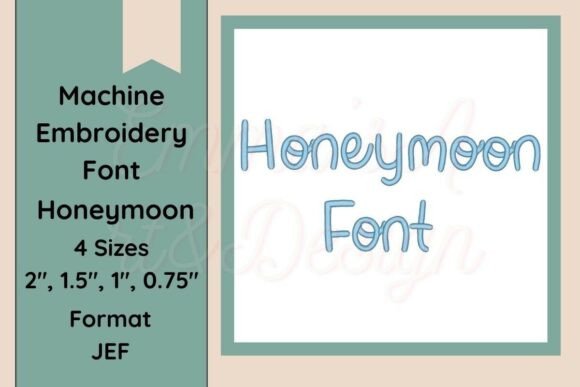
Upon opening the digital embroidery file, the first thing that stands out is the fluid, handwritten aesthetic. Unlike rigid block letters or overly ornate baroque scripts, Honeymoon offers a soft, romantic touch that feels genuinely personal. It strikes a difficult balance between elegance and playfulness. For a commercial embroiderer, this is crucial because it appeals to multiple demographics simultaneously. It is sweet enough for baby embroidery projects but sophisticated enough for bridal keepsakes.
From a technical standpoint, the digitizing appears optimized for stitch-out rather than just visual display. The connections between letters are designed to minimize jump stitches, which is a massive time-saver during production. When we talk about perceived value in handmade products, clean stitching with minimal trims is paramount. This font delivers that polished look right out of the hoop, making it an excellent candidate for high-end custom embroidery orders where detail matters.
Real-World Application: The Wedding Keepsake Test
To truly evaluate this font, I simulated a common customer request: a personalized wedding gift involving both delicate linens and textured terry cloth. I tested the Honeymoon Machine Embroidery Font DST on a satin pillow cover and a plush embroidered towel to see how the stitch density adapted to different fabric textures.
On the satin pillow cover, the font shined. The smooth surface allowed the script’s fine details to remain crisp. The result was a luxurious, heirloom-quality finish that would justify a premium price point in an Etsy listing. However, the true test came with the terry towel. Script fonts can sometimes get lost in the pile of thick fabrics, but this design maintained its legibility. The stitch column width is sufficient to sit atop the texture without sinking, provided you use the correct stabilizer. This versatility makes it a reliable workhorse for shops offering diverse personalized gift options, from nursery decor to kitchen textiles.
Ideal Projects for Baby and Bridal Markets
For makers focusing on specific niches, understanding where this font excels helps streamline product planning. Based on my testing, here are the best applications:
- Baby Blankets and Nursery Items: The gentle curves are non-threatening and classic. It pairs beautifully with pastel thread colors for blanket embroidery, creating a timeless look that parents cherish.
- Valentine’s Day Merchandise: Beyond weddings, this font is perfect for seasonal retail. It adds a heartfelt vibe to tote bags and aprons intended as gifts for partners or friends.
- Bridal Party Gifts: Robes, clutches, and handkerchiefs benefit from the script’s refined nature. It elevates simple items into meaningful mementos.
- Family Keepsakes: Because it reads clearly at medium sizes, it works well for adding names and dates to memory bears or quilt blocks.
For Etsy sellers, using this font in your listings signals a commitment to quality. Customers looking for a wedding gift or baby shower present are often emotionally invested; seeing a beautiful, readable font in your product photography increases buyer engagement and trust.
Technical Limitations and Fabric Considerations
No single embroidery file is perfect for every situation, and professional integrity requires discussing where caution is needed. While Honeymoon Machine Embroidery Font DST is versatile, there are specific environments where it demands extra attention.
Sizing and Small Lettering
This is a script font with connecting elements. If you resize it too small, those connections can become fragile or cause tension issues. Always check the minimum recommended size in your software before committing to a stitch-out. For tiny labels on baby clothes, verify that the stitch density does not create a hole in stretchy knits. You may need to adjust the underlay or add a water-soluble topping to prevent the stitches from cutting into delicate fibers.
Textured and Dark Fabrics
While it performed well on towels, extremely high-pile fabrics might still obscure finer swashes. In these cases, consider using a knockdown stitch underneath the lettering. Additionally, when working with dark fabrics, contrast is key. A white or metallic thread usually provides the best pop, but always run a physical test. Digital mockups do not account for how light reflects off thread on velvet or corduroy. What looks legible on screen might disappear on a finished product.
Washability and Durability
For items like aprons, kitchen towels, or baby bibs that require frequent washing, ensure your top thread and bobbin are colorfast. The open nature of some script fonts means that if a thread breaks or frays over time, the whole word can unravel. Using a high-quality polyester or rayon thread and proper finishing techniques will ensure the personalized gift lasts as long as the sentiment behind it.
Practical Notes for Commercial Embroiderers
Before adding this font to your permanent library or accepting paid orders, follow this checklist to protect your business and your reputation:
- Verify Licensing: Always confirm the commercial licensing terms included with your purchase. Just because a file is available digitally does not automatically grant permission to sell finished products or use it for mass production. Respecting intellectual property builds trust within our community.
- Test on Scrap Fabric: Never stitch directly onto a customer’s item without a prior test. Use scrap material of similar weight and weave to check tension and registration.
- Check Hoop Size Compatibility: Ensure the longest name you plan to stitch fits comfortably within your hoop size with adequate margin for the presser foot. Re-hooping mid-word introduces alignment risks.
- Stabilizer Selection: Match your stabilizer to the fabric. Cut-away for knits and baby clothes, tear-away for stable wovens, and wash-away for napped fabrics. The right foundation prevents puckering.
- Create Printable Mockups: For custom order previews, use accurate representations of the font. Misleading clients with a different typeface leads to returns and negative reviews.
Elevating Your Handmade Product Line
In the competitive world of custom embroidery, the difference between a hobbyist and a professional often lies in font selection. The Honeymoon Machine Embroidery Font DST offers a unique opportunity to soften your product line while maintaining commercial viability. Its ability to transition seamlessly from a Valentine's Day card to a cherished baby blanket makes it a valuable asset for any small shop product catalog.
Remember that the emotional connection customers feel toward a personalized gift starts with the design itself. When the typography feels warm, intentional, and expertly executed, it validates the buyer's choice to support a handmade seller. By mastering the technical nuances of this font—from stabilizer choices to fabric pairings—you ensure that every stitch honors the story being told. Whether you are creating nursery decor, wedding keepsakes, or everyday luxuries, this design has the potential to become a signature element of your brand’s aesthetic.